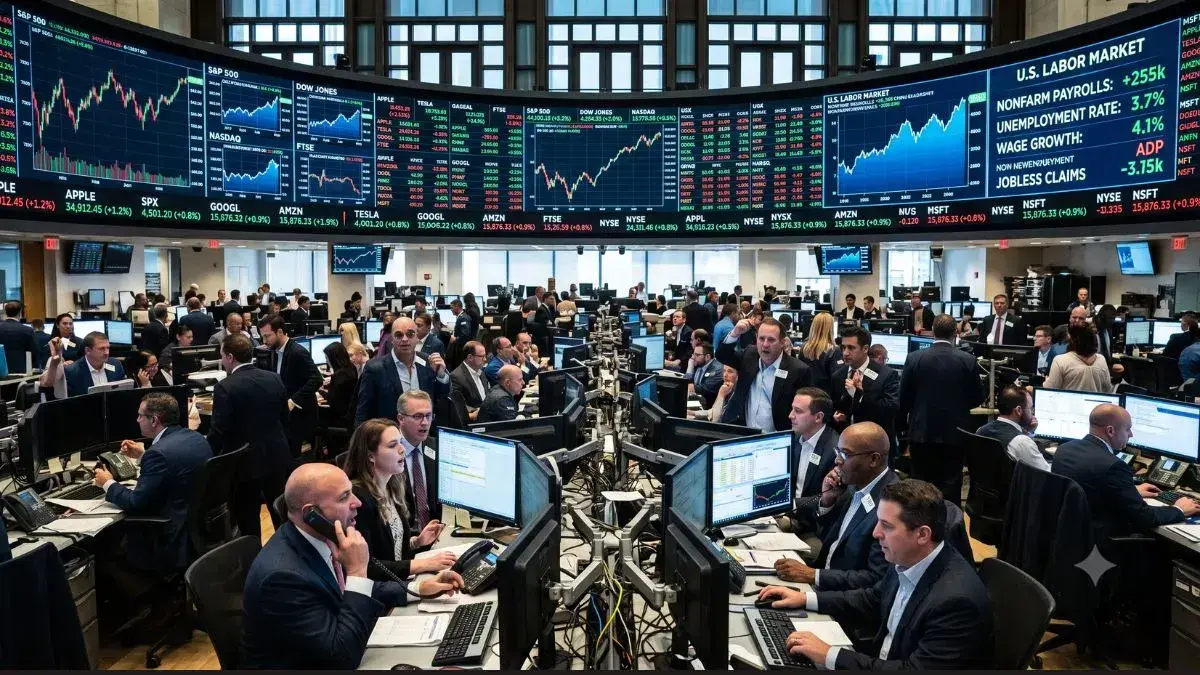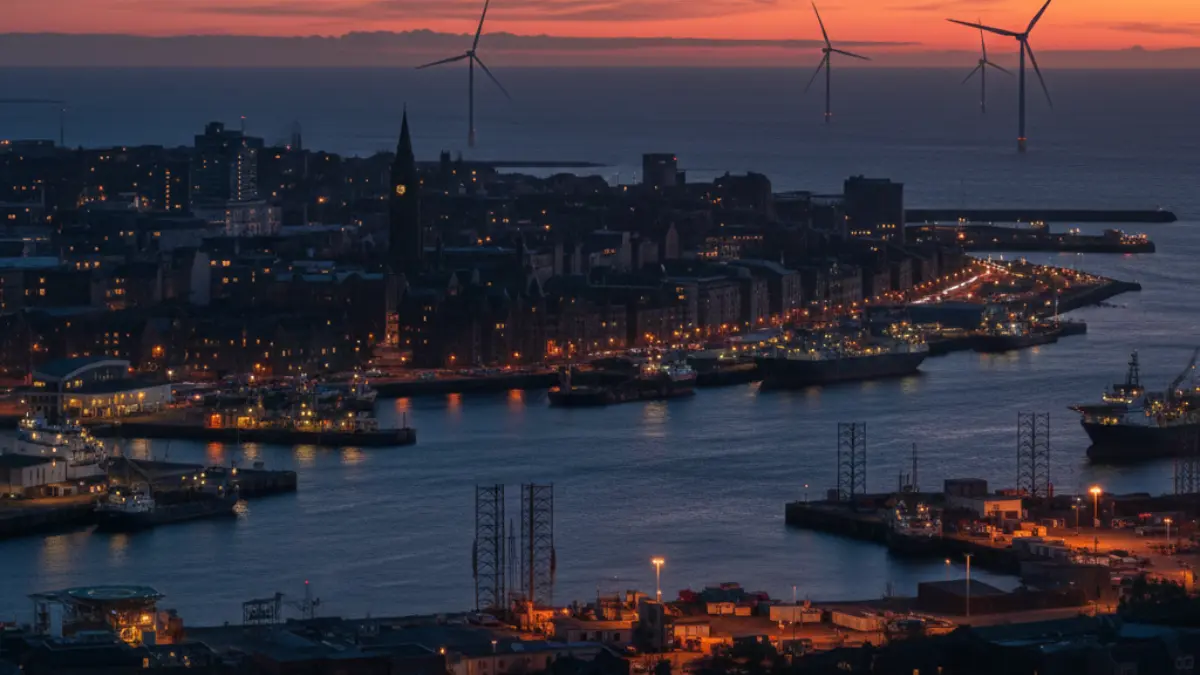
Aberdeen, once celebrated as Europe’s “oil capital,” is now grappling with a sobering economic forecast. According to a new study by EY, the city is projected to have a meager 0.9% average annual Gross Value Added (GVA) growth between 2025 and 2028 — the lowest among all UK cities. Scottish Financial News+1
This comes as Aberdeen’s traditional energy backbone — North Sea oil and gas — weakens under mounting geopolitical pressure, higher taxes, and a shift toward renewables. Gaudie+2The Guardian+2
To add to the turbulence, Chevron, one of the city’s major energy players, has announced plans to close its Aberdeen office between December 2025 and December 2026 — ending over five decades of operations in the city. Reuters
Economic Strain: Why Aberdeen Is Under Pressure
1. Decline of the North Sea Oil Sector
Aberdeen’s economy has historically relied on offshore oil. But as global strategies pivot away from fossil fuels, investment in the North Sea is shrinking. Wikipedia
EY’s forecast cites this contraction as a key drag, limiting both growth and household income. Scottish Financial News+1
2. Negative Household Income Growth
Between 2025 and 2028, the city is expected to experience a decline in average household income, averaging –0.4% annually. Scottish Financial News
For a city long buoyed by high-paying oil-related jobs, this is a sharp fall.
3. Business and Talent Flight
Some seasoned professionals say Aberdeen’s future looks uncertain. The volatility has prompted concerns among workers, many of whom worry about job security. The Guardian
Meanwhile, commercial real estate remains under strain, and parts of the city – including its granite-lined Union Street – reflect growing vacancy. Gaudie
A Storied Past: How Aberdeen Got Here
- Granite City Origins: Aberdeen got its nickname for its centuries-old grey granite architecture. History Rise+1
- Oil Boom Era: The discovery of North Sea oil in the late 1960s transformed the city. Jobs, wealth, and migration surged. History Rise
- Modern Industry: For decades, Aberdeen was home to major oil companies, with its harbour serving offshore rigs, and generating thousands of high-value jobs. Wikipedia
Signs of Transition: Embracing Green Energy
Aberdeen might be down, but it’s not out. The city is pushing hard to rebrand itself as an “energy capital” for renewables, rather than just oil. The National+1
Key efforts include:
- Investment in offshore wind.
- Innovation in carbon capture and storage, using infrastructure already tied to its oil past. European CEO
- Leveraging its expert workforce in engineering and energy for sustainable energy projects.
If successful, these moves could help Aberdeen stabilize and reorient its economy — though many say the pace needs to pick up.
Recent Shocks: Chevron’s Exit and Economic Warnings
Chevron’s upcoming office closure is a major blow. The company has had a presence in Aberdeen for over 55 years, and its scaling back marks a symbolic end to a chapter. Reuters
Local leaders see Chevron’s exit as a sign that oil majors no longer view the North Sea as a growth frontier. It also raises fears of job losses, especially among skilled oil sector workers.
Meanwhile, broader economic forecasts — like those from EY — warn that without new drivers of growth, Aberdeen could lag behind other Scottish cities like Edinburgh, which is expected to grow faster in professional and knowledge-based sectors. Daily Business
A Human Tragedy: The Disappearance of the Huszti Sisters
In early 2025, Aberdeen was shaken by a deeply troubling case — the disappearance of Eliza and Henrietta Huszti, two Hungarian sisters who lived in the city. Wikipedia
- Their last confirmed sighting was on 7 January, captured on CCTV near Queen Victoria Bridge. Wikipedia
- Tragically, their bodies were recovered from the River Dee at the end of the month. Wikipedia
- Their case sparked fear and sadness in the community, highlighting societal and safety concerns beyond just economic issues.
What’s Next? Risks, Roadblocks, and Opportunities
Major Risks
- Continued decline of the oil sector without a clear substitute.
- Outmigration of skilled workers seeking stability elsewhere.
- Falling real estate demand and rising urban decay.
- Delayed or underfunded transition to green energy could leave a gap.
Potential Opportunities
- Scaling up offshore wind and CCS (carbon capture storage).
- Attracting green-tech firms to leverage Aberdeen’s engineering legacy.
- Repurposing oil-related infrastructure for sustainable energy.
- Enabling entrepreneurship in new energy, tech, and service sectors.
Expert Insights & Local Sentiment
- EY economists emphasize that declining investment in energy is central to Aberdeen’s weak GVA projections. Scottish Financial News
- Regional leaders argue for stronger green policies to lure investment. European CEO
- Some local workers remain fearful: “They’re killing us … this is the end for the UK oil industry,” said one rig worker. The Guardian
- Critics point to taxation and lack of incentives as major barriers to reinvestment. Financial Times
Why Aberdeen’s Story Matters Beyond Scotland
Aberdeen’s struggle is not just local — it’s emblematic of a larger global shift:
- Energy Transition Risk: How cities heavily dependent on fossil fuels navigate the shift to green energy could define their survival.
- Workforce Realignment: Workers used to high-paying oil roles need new opportunities, or risk relocation.
- Urban Renewal: Former boomtowns may become case studies for regeneration, repurposing, or decline.
Aberdeen could be a blueprint for both failure and hope as governments worldwide push harder on net-zero goals.
Conclusion: At a Crossroads
Aberdeen stands at a pivotal moment. Its past success — powered by oil — now threatens to be its greatest vulnerability. The city’s forecast growth is slim, and its core industry is retreating.
Yet, there remains a slim but real chance for revival. If Aberdeen can accelerate its green transition, luring investment into renewables and carbon capture, it may reimagine itself not as a fallen oil town, but as a future energy hub.
Whether it succeeds depends on bold policy, private investment, and a commitment to rebuild — not just economically, but socially and environmentally.
🔍 People Also Ask (PAA)
Here are 50 trending “People Also Ask” questions about Aberdeen, with short, clear answers.
- Q1. What is Aberdeen known for?
Aberdeen is historically known as the “Granite City” for its gray granite architecture, and more recently as Europe’s oil capital due to its strong connection with the North Sea petroleum industry. Wikipedia+1 - Q2. Why is Aberdeen’s economy slowing down?
The economy is slowing largely because of the decline in North Sea oil production, reduced investment, and shrinking revenues from the fossil-fuel sector. Scottish Financial News+1 - Q3. What is GVA and why is it important for Aberdeen?
GVA (Gross Value Added) measures economic output minus intermediate consumption. Aberdeen’s low GVA growth forecast reflects weak economic performance and low productivity gains. Scottish Financial News - Q4. How much is Aberdeen’s projected GVA growth?
Aberdeen is projected to grow at just 0.9% annually between 2025 and 2028, the lowest among major UK cities. Yahoo News UK+1 - Q5. Why is Chevron closing its Aberdeen office?
Chevron is restructuring globally and exiting parts of its North Sea operations, choosing to consolidate its UK presence out of Aberdeen as part of a broader cost-cutting strategy. Reuters - Q6. When will Chevron close its Aberdeen office?
The closure is expected to occur between December 2025 and December 2026. Reuters - Q7. Will Chevron’s exit lead to job losses in Aberdeen?
Yes, Chevron’s withdrawal could put local jobs at risk — especially among skilled professionals in the oil sector — but exact numbers are not yet disclosed. Reuters - Q8. What is the decline in household income in Aberdeen predicted to be?
Household income in Aberdeen is forecast to fall by 0.4% per year on average from 2025 to 2028. Scottish Financial News - Q9. Can Aberdeen transition to green energy?
Yes — the city is pushing to become a hub for offshore wind, carbon capture, and clean energy engineering. The National+1 - Q10. What role does carbon capture play in Aberdeen’s future?
Carbon capture and storage (CCS) is central to regional energy strategies, leveraging existing infrastructure and expertise to reduce emissions while creating new economic opportunities. European CEO - Q11. How has Aberdeen’s oil boom shaped its history?
The North Sea oil discovery in the late 1960s triggered a major transformation — shifting from fishing and granite to a high-tech energy hub. History Rise - Q12. What is the “Granite City”?
“Granite City” is a nickname for Aberdeen, referencing its widespread use of locally quarried gray granite in historic buildings. Wikipedia - Q13. Are people leaving Aberdeen?
Yes, some skilled workers are migrating away due to economic uncertainty and limited job opportunities outside of oil. The Guardian+1 - Q14. What happened to the sisters who went missing in Aberdeen?
Eliza and Henrietta Huszti disappeared in January 2025 after being seen on CCTV. Their bodies were later discovered in the River Dee. Wikipedia - Q15. How long had the Huszti sisters lived in Aberdeen?
The two sisters had lived in Aberdeen since around 2015. Wikipedia - Q16. What is the Aberdeen City Garden Project?
It was a proposed £140.5 million redevelopment of Union Terrace Gardens, but the plan was vetoed by the city council in 2012. Wikipedia - Q17. How big is the tourism sector in Aberdeen?
The broader Aberdeen City & Shire region’s tourism industry contributes around £340 million annually and supports tens of thousands of jobs. European CEO - Q18. What other industries drive Aberdeen’s economy today?
Beyond energy, Aberdeen has strengths in high-tech engineering, scientific research, agriculture, and port services. Wikipedia - Q19. What’s the employment rate in Aberdeen?
Historically, Aberdeen has had strong employment rates driven by energy and related high-skill sectors. Wikipedia - Q20. Is the oil industry still paying high wages in Aberdeen?
While some oil roles remain lucrative, the decline in the sector means fewer high-paying jobs and increased instability. Wikipedia - Q21. What has been the job impact from the oil slump?
Reports suggest thousands of jobs have been lost in the region over the past decade as oil production has declined. Financial Times+1 - Q22. What policies are hurting oil investment in Aberdeen?
Some local industry players cite high taxation, windfall taxes, and lack of exploration incentives as barriers to investment. Financial Times - Q23. How is Aberdeen’s city centre doing?
The city center is seeing challenges like rising vacancy rates and shrinking commercial activity, partly tied to economic decline. Gaudie - Q24. What role does Aberdeen Harbour play in its economy?
The harbour supports offshore operations and trade; combined with Peterhead Port, it supports thousands of jobs and billions in economic value. European CEO - Q25. How large was the oil boom’s tax contribution?
The oil industry paid tens of billions in taxes over decades, contributing heavily to regional revenue. GeoExpro - Q26. Will Aberdeen become a “green energy capital”?
That is the city’s ambition. With existing offshore expertise and infrastructure, local leaders hope to lead in renewables and carbon capture. The National+1 - Q27. How realistic is energy transition in Aberdeen?
It’s ambitious but feasible: the city has technical skills, ports, and infrastructure — but will require significant investment and policy support. - Q28. What challenges does energy transition face?
Key challenges: securing capital, ensuring workforce retraining, and reducing reliance on declining oil revenues. - Q29. Has Aberdeen’s population declined?
There are signs of outmigration, especially among younger professionals, driven by economic uncertainty and fewer stable jobs. The Guardian+1 - Q30. How has property in Aberdeen been affected?
Property demand and prices have weakened, in part due to declining jobs and changing real estate sentiment. Reddit - Q31. What is Aberdeen Maritime Museum?
It’s a museum located on Shiprow, covering Aberdeen’s maritime history — from fishing and shipbuilding to its oil legacy. Wikipedia - Q32. Why did the Aberdeen City Garden Project fail?
The project was vetoed by the city council in 2012, despite public support and a large donation pledge. Wikipedia - Q33. What is the future of North Sea oil?
While production continues, reserves are declining, and political pressure is pushing for fewer new licenses. The Guardian - Q34. How has the UK government policy impacted Aberdeen’s oil sector?
Policies like limiting new drilling licenses and imposing windfall taxes have reduced investor confidence. Financial Times - Q35. What are the local jobs at risk in Aberdeen?
Jobs in oil, offshore engineering, and related services are most at risk, particularly if companies downsize or relocate. - Q36. Will new energy jobs replace oil jobs?
There is potential, but the scale and speed may not match historic oil job levels without large investments. - Q37. Are people calling Aberdeen a “dying city”?
Some critics are raising alarms about stagnation and decline, though others argue the city is repositioning itself. - Q38. How has the cost of living changed in Aberdeen?
With falling incomes and job insecurity, some residents feel financial pressure despite historically high pay in the oil sector. - Q39. Is Aberdeen still a wealthy city?
It retains pockets of wealth, especially among remaining energy professionals, but broader economic strain is weakening that base. - Q40. How big was Aberdeen’s oil boom in the 1970s–80s?
It was massive: the discovery of North Sea oil led to rapid population growth, infrastructure development, and a surge in wealth. History Rise - Q41. Has Aberdeen tried to attract green-tech companies?
Yes — regional development plans strongly emphasize renewables, CCS, and sustainable engineering. European CEO - Q42. How are local residents reacting to the changes?
Many are anxious: some worry about job losses, while others support the transition to clean energy but fear it may be too slow. The Guardian+1 - Q43. What’s the role of tourism in Aberdeen’s economy now?
Tourism contributes significantly, especially via its maritime history, harbor, and cultural sites, but may not fully offset energy declines. European CEO - Q44. Is Aberdeen’s city council supporting energy transition?
Yes — local leaders have backed plans for renewables, green infrastructure, and sustainable growth. The National+1 - Q45. Can carbon capture save Aberdeen’s economy?
Potentially; if scaled, CCS could offer new revenue streams and jobs. But it depends on investment and long-term demand. - Q46. Are other oil cities facing similar issues?
Yes — many global oil hubs are wrestling with the energy transition, though few had the same scale or history as Aberdeen. - Q47. What’s the outlook for Aberdeen real estate?
It’s cautious: falling demand, especially for high-end homes, and uncertainty over future economic drivers contribute to weak sentiment. Reddit - Q48. How important is the North Sea for Aberdeen now?
Still significant, but its influence is waning and cannot be the sole foundation for future growth. - Q49. What can governments do to help Aberdeen?
They could provide tax incentives, support renewables, invest in retraining, and help infrastructure transition. - Q50. Is Aberdeen’s story a warning for fossil-fuel dependent cities?
Very much so — it highlights the risks of overdependence on a single commodity and underscores the urgency of diversifying into sustainable sectors.